.jpg)
7 Smart Home Tips for Better Efficiency and Savings
- stuart cholerton
- Jan 18
- 10 min read

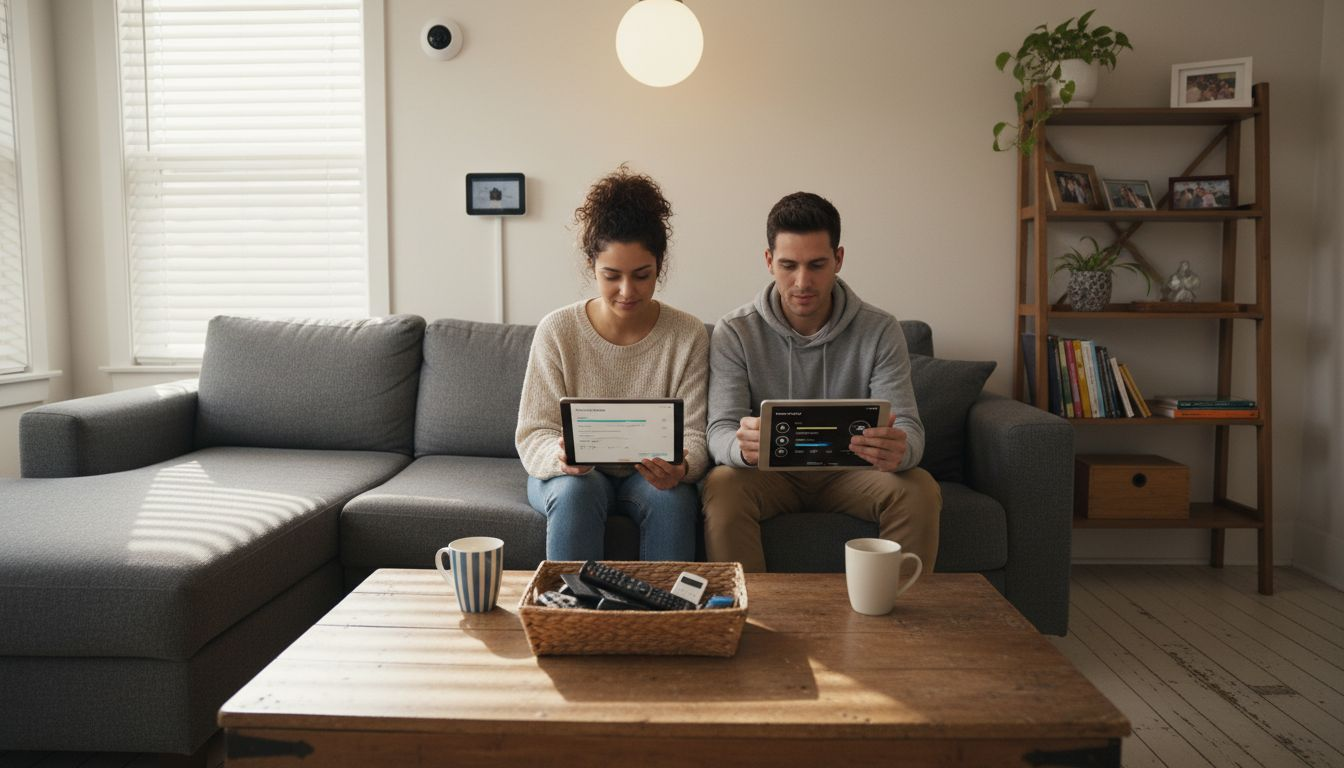
Managing your home’s electricity and keeping bills in check can feel overwhelming, especially when appliances and lights seem to waste energy without notice. Whether you want more control over power usage or a safer, smarter environment, finding reliable solutions is key to saving money and reducing unnecessary consumption.
You will discover practical tools and strategies that go beyond old habits, like forgetting to turn off a light or leaving electronics plugged in. From intelligent lighting that adjusts automatically to smart adapters providing real time energy insights, every tip promises real results for your everyday life.
Get ready to unlock specific methods that help you cut down waste, automate daily routines, and make your home more efficient. These actionable ideas will show you how modern technology makes energy savings simple and convenient.
Table of Contents
Quick Summary
Key Message | Explanation |
1. Install Smart Bulbs for Efficiency | Smart bulbs can reduce energy consumption by up to 33.33% through automated control and scheduling. |
2. Use Smart Plugs on High-Usage Devices | Smart plugs cut vampire loads, allowing you to save electricity by controlling electronics remotely. |
3. Implement Smart Thermostats for Savings | Smart thermostats can lower utility bills by 10-15% through automated temperature adjustments based on your routines. |
4. Enhance Security with Smart Cameras | Affordable smart cameras provide real-time monitoring and deter crime, ensuring peace of mind from anywhere. |
5. Control Devices with Voice Commands | Voice control simplifies managing multiple devices, enhancing home accessibility and convenience. |
1. Set Up Smart Bulbs to Automate Lighting
Smart bulbs are the secret weapon for transforming your home’s energy efficiency and convenience. These intelligent lighting solutions go far beyond traditional bulbs by enabling automated control that can dramatically reduce your electricity consumption.
Modern smart bulbs utilize advanced technology to reduce power consumption by up to 33.33% through intelligent sensing and connectivity. They can automatically adjust brightness based on ambient light, detect room occupancy, and even create custom schedules that match your daily routines.
Implementing smart bulbs means you can program lights to turn off when rooms are empty, dim during low activity periods, and adjust color temperature to match different times of day. This not only saves energy but also creates a more comfortable living environment. Many smart bulb systems integrate with smartphone apps, allowing you to control lighting from anywhere using your mobile device.
To get started, choose smart bulbs compatible with popular home automation platforms like Amazon Alexa or Google Home. Install them in high traffic areas such as living rooms, kitchens, and hallways where lighting is frequently used. Most smart bulbs can be easily screwed into existing light fixtures, requiring no additional electrical work.
Pro tip: Group your smart bulbs into zones or rooms to create more nuanced and efficient lighting control strategies that adapt to your specific lifestyle and energy needs.
2. Install Smart Plugs for Energy Reduction
Smart plugs are revolutionary devices that transform ordinary electrical outlets into intelligent energy management tools. These small yet powerful gadgets give you unprecedented control over your home’s electricity consumption.
By cutting power waste from electronic devices, smart plugs eliminate the problem of vampire loads energy that electronics consume even when seemingly turned off. Most smart plugs connect through Wi-Fi or Bluetooth, allowing you to remotely control appliances and monitor their energy usage directly from your smartphone.
Implementing smart plugs strategically can significantly reduce your electricity bill. Place them on devices that typically consume standby power like televisions, gaming consoles, coffee makers, and computer peripherals. With programmable scheduling features, you can automatically turn off devices during low usage periods or when you are away from home.
Modern smart plugs offer additional features beyond simple power management. Many models provide real time energy consumption tracking, allowing you to identify which devices are the biggest electricity consumers in your household. Some even integrate with voice assistants like Amazon Alexa or Google Home for hands free control.
Pro tip: Group multiple smart plugs into automated scenes that turn off entire entertainment or office setups with a single command, maximizing your energy savings and simplifying home management.
3. Use Smart Thermostats to Lower Utility Bills
Smart thermostats represent a game changing technology for home energy management, offering unprecedented control over your heating and cooling systems. These intelligent devices go far beyond traditional temperature controls by learning your preferences and automatically optimizing energy consumption.
By quickly adapting to minimize energy consumption, smart thermostats can significantly reduce your utility bills. The advanced algorithms continuously analyze your household patterns, adjusting temperature settings to balance comfort and efficiency. Unlike manual thermostats, these smart devices can automatically lower temperatures when you are away and warm up your home just before you return.
Implementing a smart thermostat allows you to create customized schedules that match your lifestyle. Most models connect to smartphone apps, enabling remote temperature control and providing detailed energy usage reports. You can track your energy consumption in real time, identifying opportunities for additional savings and understanding your home’s thermal dynamics.
The financial benefits are substantial. Households using smart thermostats typically see energy savings between 10% and 15% on heating and cooling costs. Some utility companies even offer rebates for installing these energy efficient devices, providing additional financial incentives for smart home upgrades.
Pro tip: Position your smart thermostat away from direct sunlight and drafts to ensure the most accurate temperature readings and most effective automated climate control.
4. Enhance Security with Affordable Smart Cameras
Smart home cameras have revolutionized personal security, offering affordable protection that was once available only to wealthy homeowners. These compact devices provide peace of mind by giving you eyes and ears in your home even when you are miles away.
Modern smart cameras come packed with features that improve safety and deter crime through advanced technology. High definition video, night vision capabilities, two way audio, and smart motion detection allow you to monitor your property in real time from your smartphone. Unlike traditional security systems, these cameras are easy to install and do not require complex wiring or professional setup.
Strategic camera placement is key to maximizing home security. Consider installing cameras near entry points like front and back doors, garage areas, and first floor windows. Many models offer cloud storage for video recordings, ensuring you can review footage even if the camera is damaged. Some smart cameras even include facial recognition technology, allowing you to distinguish between family members, expected guests, and potential intruders.
Beyond security, these cameras offer additional benefits like checking on pets, monitoring children or elderly family members, and creating a digital record of home activities. Many insurance companies offer discounts for homes with smart security systems, potentially offsetting the initial investment.
Pro tip: Adjust your camera settings to reduce false alerts by creating specific motion detection zones that ignore routine movements like trees or passing vehicles.
5. Streamline Routines with Simple Voice Controls
Voice control technology transforms your smart home into an intuitive, responsive environment where technology adapts to your commands. Modern voice interfaces allow you to manage multiple devices with simple spoken instructions, eliminating the need for multiple remote controls or smartphone apps.
Voice user interfaces support user engagement by creating hands free interactions that simplify daily tasks. Popular voice assistants like Amazon Alexa, Google Assistant, and Apple Siri can now control lighting, adjust thermostats, play music, set timers, and even order groceries with just a few words.
Implementing voice controls requires minimal technical expertise. Most smart home devices now come with built in voice compatibility, allowing seamless integration into your existing setup. You can create custom routines that trigger multiple actions with a single command. For example, saying good morning could simultaneously turn on kitchen lights, start your coffee maker, and read your daily schedule.
Beyond convenience, voice controls offer significant accessibility benefits. They help individuals with limited mobility manage home environments more independently, providing an intuitive way to interact with technology without physical interaction. Voice commands can also enhance home security by allowing you to check cameras or lock doors without moving.
Pro tip: Practice clear and consistent voice commands to improve your smart home system’s accuracy and responsiveness.
6. Monitor Power Usage with Smart Adapters
Smart adapters are the secret weapon for understanding and controlling your home’s energy consumption. These intelligent devices transform ordinary electrical outlets into sophisticated monitoring systems that provide real time insights into power usage.
Smart grid technologies enable precise electricity tracking by delivering detailed information about each device’s energy consumption. Unlike traditional power monitoring methods, smart adapters plug directly into standard electrical outlets and immediately begin collecting comprehensive data about electricity usage for individual appliances and electronics.
Implementing smart adapters allows you to identify energy hungry devices and understand your household’s power consumption patterns. Most smart adapters connect to smartphone apps, providing detailed breakdowns of electricity usage, estimated costs, and potential savings opportunities. You can track everything from refrigerator power draw to standby energy consumption of entertainment systems.
Beyond monitoring, many smart adapters offer additional features like remote device shutoff, scheduling capabilities, and surge protection. Some models can automatically cut power to devices during peak electricity rate periods, helping you save money and reduce overall energy consumption. The data collected can help you make informed decisions about energy efficiency and potentially lower your monthly utility bills.
Pro tip: Focus on monitoring devices with consistent power draw like refrigerators, home office equipment, and entertainment systems to get the most meaningful insights into your energy consumption.
7. Stay Comfortable with Smart Mini Heaters
Smart mini heaters are transforming personal heating with compact, efficient technology that keeps you warm while reducing energy consumption. These intelligent devices offer targeted warmth without the expense of heating entire homes.
Modern smart mini heaters come equipped with advanced safety features and energy efficiency like automatic shutoff, tip over protection, and programmable thermostats. Unlike traditional space heaters, these smart devices can be controlled remotely through smartphone apps, allowing you to warm up rooms before arriving home or adjust temperatures from anywhere.
Strategic placement is key to maximizing mini heater effectiveness. Focus on personal spaces like home offices, bedrooms, or living areas where you spend most of your time. Many smart mini heaters use ceramic or infrared heating elements that distribute warmth more evenly and efficiently than older radiant models. Some advanced models even learn your temperature preferences and automatically adjust settings to maintain optimal comfort.
Beyond personal comfort, smart mini heaters can help reduce overall home heating costs. By providing supplemental warmth in specific zones, you can lower central heating system temperatures and save on monthly utility bills. Look for models with energy monitoring features that track power consumption and provide insights into your heating patterns.
Pro tip: Position your smart mini heater away from curtains and furniture, and use its built in timer functions to automatically turn off when not needed.
Below is a comprehensive table summarizing the strategies and recommendations discussed in the article for implementing smart devices for efficient home automation and energy savings.
Category | Description | Implementation Tips | Expected Benefits |
Smart Bulbs | Intelligent lighting solutions for automating brightness and scheduling. | Select products compatible with home automation platforms and install them in high-traffic areas. | Reduced energy consumption and enhanced convenience. |
Smart Plugs | Devices enabling remote control and energy monitoring of appliances. | Use on electronics with standby power use, and automate schedules for optimal energy savings. | Lower electricity bills and reduced vampire loads. |
Smart Thermostats | Advanced temperature control systems that optimize comfort and energy efficiency. | Install compatible devices and adjust schedules to match occupancy patterns. | Reduced heating and cooling costs with increased comfort. |
Smart Cameras | Affordable and feature-rich home security solutions. | Place devices strategically by entry points, and configure detection zones to minimize false alerts. | Enhanced safety and potential insurance discounts. |
Voice Control Systems | Voice-activated interfaces for managing home devices with convenience. | Integrate with existing smart home devices and create personalized command routines. | Hands-free device operation and accessibility improvements. |
Smart Adapters | Plug-in devices for real-time energy usage monitoring and control at the outlet level. | Monitor energy-intense appliances to uncover savings opportunities, and use surge-protected models. | Detailed insights into energy usage and potential cost savings. |
Smart Mini Heaters | Compact heating solutions for targeted warmth and specific zone heating. | Position thoughtfully in frequently used areas and utilize scheduling features for effective control. | Reduced overall heating costs with tailored comfort. |
Upgrade Your Home Efficiency with Smart Tech from TechTonicShops
Struggling to reduce high energy bills and enhance your home’s comfort? This guide on smart home tips reveals practical ways to save power, automate routines, and secure your space using intelligent devices like smart bulbs, plugs, thermostats, and mini heaters. If you want to embrace these solutions with ease and affordability visit All Products | Techtonic to explore a variety of smart home gadgets crafted for your everyday convenience and savings.

Take control of your home environment today by choosing from our extensive range of energy-efficient and connected devices at TechTonicShops. Act now to start experiencing smarter living while lowering your utility costs. Browse our selection and find exactly what you need to create a seamless and cost-effective smart home tailored to your lifestyle.
Frequently Asked Questions
How can I start using smart bulbs in my home?
Implement smart bulbs by selecting ones compatible with popular home automation platforms. Install them in high-traffic areas to efficiently control lighting and reduce energy consumption by up to 33.33%.
What are the benefits of installing smart plugs?
Smart plugs can help eliminate vampire loads from electronics, significantly reducing electricity waste. Install them on devices that draw power even when not in use, and set schedules to turn off devices during low usage periods for maximum savings.
How does a smart thermostat save on utility bills?
A smart thermostat learns your heating and cooling preferences, allowing it to optimize energy use. By adjusting temperatures automatically when you are away, it can help lower heating and cooling costs by 10% to 15%.
What features should I look for in smart security cameras?
Look for smart cameras with high-definition video, night vision, and motion detection. Position cameras near entry points to enhance security, and consider models with cloud storage for easy access to recorded footage.
How can voice controls make my home more efficient?
Voice controls allow hands-free management of your smart devices, streamlining daily routines. Set up custom routines to perform multiple actions, such as turning on lights and adjusting the thermostat, with a single voice command.
How can smart adapters help me save on electricity?
Smart adapters monitor the energy consumption of plugged-in devices, providing detailed insights into power usage. Use them to identify energy-hungry devices and implement smart scheduling to cut power during peak rates, potentially reducing your bills.
Recommended

Comments